

Categories
New Blog
You should always begin with correct cooling load calculations when picking a water cooled scroll chiller. This step helps you avoid mistakes and makes sure your equipment fits your facility. See how the right size affects your operation:
|
Benefit |
Description |
|---|---|
|
Optimized System Performance |
Makes industrial cooling systems work their best and keeps process temperatures steady. |
|
Energy Savings |
Right-sized chillers use less energy and lower your factory's utility bills. |
|
Longer System Lifespan |
Efficient chillers do not work as hard, so they break less and need fewer repairs. |
|
Production Stability |
Better cooling performance and lower downtime make production lines more efficient. |
You will see that thinking about long-term savings, not just the first price, is smart. Get ready for helpful tips and industrial cooling advice that may surprise you.
First, make sure you know how much cooling your industrial process needs. This helps you pick the right water cooled scroll chiller. Plan regular maintenance so your chilling system works well. Pick a chiller that fits your plant’s cooling demand to stop energy waste and expensive fixes. Look at energy ratings like COP and IPLV. These ratings help you save money and help the environment. Talk to your chiller expert about future expansion to make sure your chiller can handle growth.
You need to start with a clear understanding of your building’s cooling needs. This step helps you choose a water cooled scroll chiller that fits your space and keeps your process cooling system running smoothly. You should not guess your cooling load. Instead, use a block load and heat analysis to get accurate numbers.
Heat analysis checks how much heat your facility gains from machinery, materials, and the surrounding environment. These numbers help you pick the right chiller size.
Tip: If you oversize your chiller, you waste energy and money. If you undersize it, your equipment will not stay cool enough for production.
Industry standards guide you through this process. The table below shows some important standards you should know:
|
Standard |
Description |
|---|---|
|
AHRI 550/590 |
Gives a consistent way to calculate part-load performance. Focuses on full system analysis for best efficiency. |
|
IPLV |
Used to check single chiller performance. Not meant for figuring out total operating costs. |
|
Comprehensive Analysis |
Includes ambient data, process load, and extra energy use for a true picture of efficiency. |
You should always use accurate data and factory details in your calculations. This approach helps you avoid costly mistakes and keeps your chilling system efficient.
Your production line may change over time. You might add new machines, expand your plant, or change your cooling requirements. You need to plan for these changes when you choose your chiller.
Think about these steps:
Review your cooling needs at least twice a year during different production peaks.
Schedule professional maintenance once or twice a year for your industrial cooling system.
Ask your technical staff to check simple things, like water filters, every month.
Note: Regular reviews help you spot problems early and adjust your chiller system before small issues become big ones.
If you expect your business to grow, talk to your chiller manufacturer about future needs. You can choose a chiller with extra capacity or a modular design that is easy to upgrade.
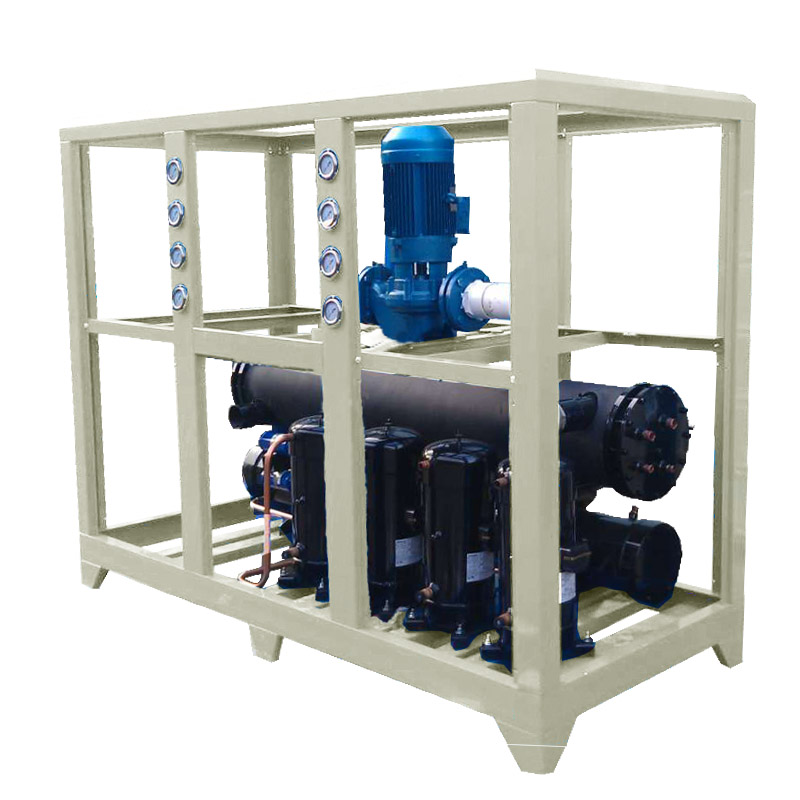
You have to pick between air-cooled and water cooled scroll chillers. Each one has specific benefits for industrial environments. Your choice changes how stable your process cooling is.
|
Feature |
Air-Cooled Chillers |
Water-Cooled Chillers |
|---|---|---|
|
Efficiency |
Affected by hot ambient air |
Works better, especially for heavy industrial use |
|
Installation |
Faster and easier setup |
Needs cooling tower and water pumps |
|
Maintenance |
Simpler with fewer components |
Needs water treatment and tower checks |
|
Cost |
Lower upfront cost |
Costs more at first, but saves energy later |
Water cooled scroll chillers are best for factories that need massive, consistent cooling. If you want the most efficient process cooling system, pick water cooled scroll chillers.
Tip: Water cooled scroll chillers work great for plastic injection, data centers, and chemical plants. They cool industrial spaces and keep energy use low.
You need to make sure your water cooled scroll chiller matches your industrial demand. This helps your chilling system work well and saves money.
Here is how you can get the right size:
Figure out the heat load from your production machinery and raw materials.
Check your local climate. Industrial plants in hotter regions need more robust condenser heat rejection.
Pick the precise coolant temperature required for your specific industrial application.
|
Factor |
Description |
|---|---|
|
Cooling Capacity |
The heat output of your production line decides the chiller size. |
|
Refrigerant Selection |
The refrigerant changes how well your industrial cooling system works and its eco-impact. |
Do not think that bigger is always better. If your scroll chiller is too big, it "short cycles," wasting energy and wearing out the compressor. Always use the right numbers before you pick an Oumal water cooled scroll chiller.
You need to look at two main ratings: COP and IPLV. COP shows how well your chiller turns electricity into process cooling. Higher COP means better efficiency for your chilling system and lower overhead costs.
|
Rated Cooling Capacity (KW) |
Minimum COP |
|---|---|
| Less than 528 | 3.8 |
| Greater than 1163 | 4.2 |
IPLV is vital for industrial applications where the heat load varies throughout the day. It shows how the chiller performs at part-load, which is where it spends most of its time.
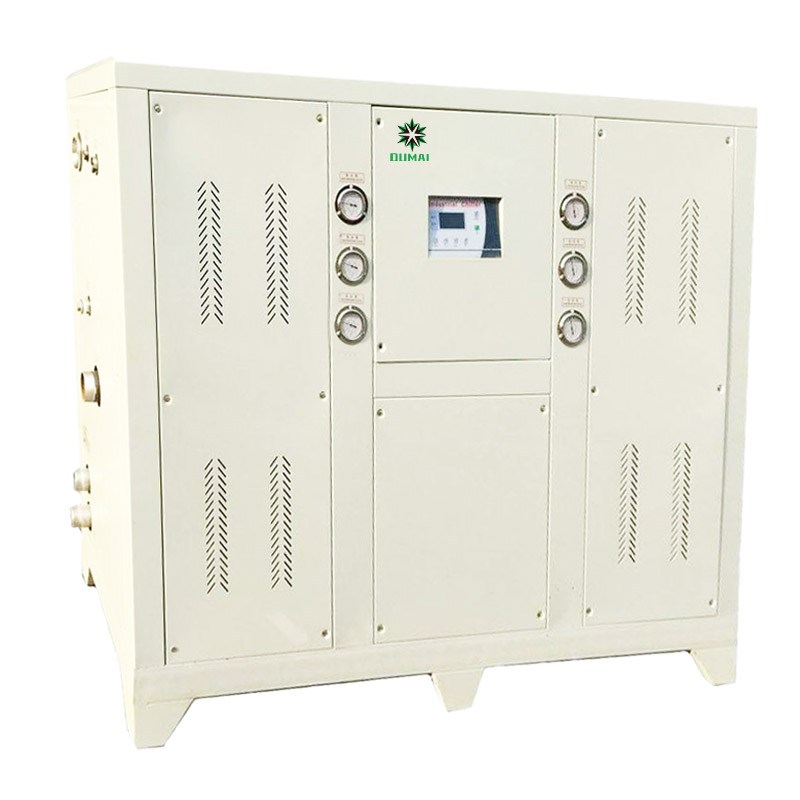
You must leave enough space around your industrial water chiller for regular maintenance tips. Experts say you need at least 2 to 3 feet in front of the unit. This space lets technicians clean condensers and check compressors safely. Easy access means repairs are faster and your production does not stop for long.
When you buy an industrial water chiller, do not just look at the price. Later, you will pay for energy and regular care. These extra costs can be a lot.
Small-capacity units (5-10 tons) cost between $5,000 and $15,000.
Medium-capacity models (50-100 tons) can range from $20,000 to $50,000.
A smart buyer looks at the "Total Cost of Ownership." Choosing a high-efficiency Oumal chiller might cost more at first, but it saves thousands in electricity over the years.
Small features can make big differences in industrial water chiller systems.
|
Feature |
Description |
|---|---|
|
Digital Controls |
Digital controllers help you manage energy and improve how the chilling system works in real-time. |
|
Electronic Expansion Valves |
Keeps superheat steady and helps the compressor work less, saving up to 14% energy. |
You can make good choices for your business by following these tips. First, check how much cooling your industrial chiller can provide. Next, look at energy efficiency to help control temperature better. Finally, choose a manufacturer like Oumal that provides reliable support and quality engineering.
Summary of Lifecycle Impact for Industrial Chillers:
|
Aspect |
Impact on Lifecycle Cost |
|---|---|
| Energy Efficiency | Lower operational costs over years |
| Operational Lifespan | Fewer replacements for your high-quality water chiller |



Friendly Links :
www.dyyseo.com en
en es
es