
Categories
New Blog
How Industrial Water Chillers Solve Production Cooling Challenges
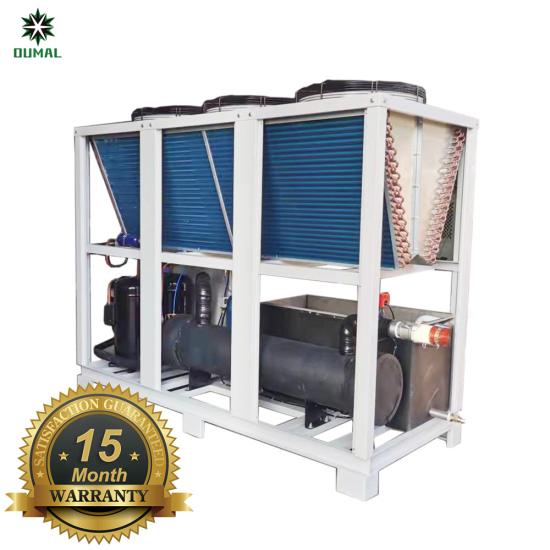
Industrial water chillers help you overcome tough production cooling challenges by delivering reliable, precise temperature control. When you keep temperatures stable, you protect your equipment and maintain high product quality. In manufacturing, even small temperature fluctuations can cause inconsistencies or defects. Advanced solutions like the OUMAL 15 TR Chiller use modern technology to ensure consistent cooling for industries such as plastics, electronics, and food processing. You gain peace of mind knowing that automated systems monitor and adjust conditions, helping you avoid costly downtime and quality issues.
Industrial water chillers provide stable temperature control, preventing overheating and equipment downtime.
Consistent cooling improves product quality and reduces waste, ensuring your production meets industry standards.
Regular maintenance and troubleshooting extend the lifespan of chillers and enhance their efficiency.
Investing in advanced chillers can lead to significant energy savings and lower operational costs.
Choosing the right chiller involves assessing your cooling needs and the specific requirements of your production process.
You face several cooling challenges in your production environment. Overheating often occurs when machinery and equipment generate continuous heat. This heat builds up, especially in areas with high ceilings, causing warm air to stagnate below. Loading docks also contribute to temperature spikes. When doors open frequently, hot and humid air enters, making it harder to maintain stable conditions. These factors increase the risk of equipment downtime. If you do not control temperatures, machines can overheat and shut down unexpectedly. You lose valuable production time and may need urgent repairs. A reliable chiller helps you manage these risks by removing excess heat and keeping your equipment running smoothly.
Inconsistent temperatures create problems for your production processes. Uneven heating in batch furnaces can cause hardness variation in materials. You may notice distortion, which leads to rework and higher scrap rates. Excessive variation in components results in defective products. Heat and humidity fluctuations affect assembly and overall product quality. Over time, even small inconsistencies can cause significant performance issues. You need a chiller that delivers precise temperature control to meet your requirements and ensure consistent results.
Tip: Monitor temperature regularly to catch fluctuations early. Use advanced chiller solutions to maintain stability and protect your products.
Process inefficiency often stems from poor cooling management. When you cannot control temperature, production slows down. Inconsistent heating cycles lead to unpredictable outcomes and lower efficiency. You may see increased energy consumption and waste. Quality loss becomes a major concern. Products may not meet standards, forcing you to discard or rework them. A chiller provides stable cooling, improving process efficiency and reducing quality issues. You gain better control over your production environment and achieve higher yields.
|
Cooling Challenge |
Impact on Production |
Chiller Solution |
|---|---|---|
|
Overheating |
Equipment downtime |
Removes excess heat |
|
Inconsistent temperature |
Quality and yield problems |
Maintains precise control |
|
Process inefficiency |
Increased waste and costs |
Boosts efficiency and reliability |
You need effective cooling solutions to address these challenges. A chiller supports your production goals and helps you meet industry requirements.
You need stable temperature control to keep your production running smoothly. An industrial water chiller gives you this advantage by using a continuous refrigeration cycle. Unlike traditional cooling methods that can change with the weather, a chiller keeps the chilled water temperature steady. This stability is essential for processes that demand precision, such as plastics molding, electronics manufacturing, and food processing. When you use a chiller, you avoid the risk of temperature swings that can lead to defects or wasted materials.
The OUMAL 15 TR Chiller stands out for its precise temperature regulation. It offers a control range from 5°C to 35°C and maintains stability within ±0.5°C to ±2°C. This level of accuracy ensures your products meet strict quality requirements every time. The chiller uses a large copper condensing coil with aluminum fins and a built-in stainless steel water tank and pump. These features help deliver consistent cooling performance, even in demanding environments.
|
Component |
Function |
|---|---|
|
Evaporator |
Absorbs heat from the process water, cooling it down. |
|
Compressor |
Increases the pressure of the refrigerant, facilitating heat transfer. |
|
Condenser |
Releases absorbed heat to the environment, allowing the refrigerant to cool. |
Note: Stable temperature control not only improves product quality but also helps you meet industry standards and regulatory requirements.
You rely on your equipment to perform at its best. Overheating can cause sudden breakdowns, costly repairs, and lost production time. An industrial water chiller protects your machinery by keeping temperatures within safe limits. This protection reduces wear and tear, extends the life of lubricants, and prevents damaging heat spikes.
Here is how a chiller helps you safeguard your equipment:
Maintains constant cooling water temperature, preventing heat-related failures.
Reduces expansion and contraction cycles, which lowers material fatigue.
Preserves lubricant quality by avoiding overheating.
Increases uptime and reliability by minimizing unplanned shutdowns.
The OUMAL 15 TR Chiller uses advanced scroll compressor technology. This design optimizes the cooling cycle, reduces energy waste, and ensures reliable operation. The chiller also features multiple safety systems, such as compressor overheating protection and flow protection. These features help you avoid unexpected equipment failures and keep your production line running.
You want your production to be efficient and cost-effective. An industrial water chiller helps you achieve this by delivering reliable cooling and reducing energy consumption. When you choose the right chiller for your needs, you maintain process reliability and lower operational costs. Water-cooled chillers, in particular, operate efficiently because they work at lower refrigerant condensing temperatures and pressures.
The OUMAL 15 TR Chiller offers energy-saving benefits through its scroll compressor and easy installation. It supports both air-cooled and water-cooled options, giving you flexibility for different applications. The chiller’s microcomputer control panel and high-quality electrical components ensure smooth operation and easy monitoring.
Preventive maintenance, such as keeping daily work logs and cleaning pipes, extends equipment life and improves energy efficiency.
Modern chillers, like the OUMAL 15 TR, use eco-friendly technologies to minimize environmental impact.
Variable speed drives can reduce energy consumption by up to 35%, matching cooling output to your actual demand.
|
Industry |
Application Description |
|---|---|
|
Manufacturing |
Efficient cooling for equipment, machinery, and processes in plastics, rubber, and metalworking. |
|
Food and Beverage |
Cooling for food processing, storage, and packaging, ensuring product freshness and quality. |
|
Pharmaceutical and Chemical |
Maintains temperature control during medication production and laboratory processes. |
|
Data Centers |
Reliable cooling for critical IT infrastructure, preventing overheating. |
|
Electronics |
Cooling for electronic components and systems to prevent overheating. |
|
Electroplating |
Provides necessary cooling during the electroplating process. |
|
Construction |
Used in various construction processes requiring temperature control. |
|
Vacuum Coating |
Maintains optimal temperatures during vacuum coating processes. |
Tip: Investing in an advanced industrial water chiller can lead to significant long-term savings. Retrofitting or upgrading your system can extend its life by 15-20 years and reduce your energy bills.
You can trust industrial water chillers to deliver the solutions you need for stable temperature control, equipment protection, and improved efficiency. The OUMAL Chiller meets the requirements of many industries and helps you achieve your production goals.
You may encounter several common issues with your chiller during daily operations. Recognizing these problems early helps you avoid costly downtime and maintain efficient cooling. Here are some of the most frequent challenges:
Refrigerant leaks can reduce cooling capacity and increase energy use.
Compressor failures may cause the entire system to shut down.
Water flow problems often lead to overheating and poor cooling.
Electrical faults, such as tripped breakers or faulty control panels, disrupt operation.
Sensor malfunctions can result in incorrect temperature readings.
Dirty condenser coils lower heat exchange efficiency.
Frozen evaporator coils may signal low refrigerant or airflow problems.
Water leakage from cracked hoses or faulty seals can damage equipment.
Unusual noises, like grinding or buzzing, indicate mechanical stress.
For effective chiller troubleshooting, start by checking for visible leaks and listening for abnormal sounds. If you notice high pressure, clean the condenser and check refrigerant levels. Adjust pressure settings if needed. For temperature fluctuations, inspect sensors and control valves. Regular chiller troubleshooting helps you resolve these common issues quickly and keeps your system running smoothly.
Tip: Keep a log of all maintenance and troubleshooting activities. This record helps you spot patterns and address recurring problems.
Routine maintenance is essential for extending the lifespan of your chiller and preventing unexpected failures. Follow these best practices to keep your system in top condition:
|
Maintenance Task |
Frequency |
|---|---|
|
Inspect evaporator and condenser coils |
Weekly |
|
Test for leaks and control operation |
Weekly |
|
Inspect load balances and limits |
Twice a year |
|
Perform thorough cleaning |
Annually |
|
Electrical system inspection |
Annually |
Clean condenser coils and flush water loops to prevent clogging.
Use water treatment to avoid bacterial growth and scaling.
Test for leaks regularly to prevent coolant loss.
Monitor refrigerant levels and water flow rates.
Replace oil filters and perform chemical analysis of liquids.
Regular preventive maintenance can extend your chiller’s lifespan up to 20 years or more. It also improves efficiency and reduces long-term costs.
Chiller troubleshooting and maintenance not only keep your equipment reliable but also help you comply with industry regulations and environmental standards. By staying proactive, you ensure your chiller delivers consistent performance year after year.
You solve production cooling challenges with industrial water chillers like the OUMAL 15 TR Chiller. These systems deliver reliable temperature control, energy efficiency, and adaptability. You maintain a clean and pollution-free environment while meeting environmental requirements. Regular maintenance and proactive troubleshooting keep your chiller running efficiently. Before selecting a chiller, follow these steps:
Determine the type of process fluid.
Identify cooling temperature, flow, and pressure needs.
Assess operating environment and ambient temperature.
Calculate required cooling capacity.
Evaluate installation space and equipment dimensions.
|
Benefit |
Description |
|---|---|
|
Temperature Control |
Consistent product quality, less waste |
|
Energy Efficiency |
Up to 40% more efficient |
|
Reliability |
Continuous operation, fail-safe mechanisms |
|
Sustainability |
Eco-friendly refrigerants, reduced water use |
You improve product quality and extend equipment lifespan by consulting with a cooling expert or requesting a system assessment.
You use an industrial water chiller to remove heat from your production process. This keeps equipment at safe temperatures and ensures consistent product quality.
You should inspect and clean your chiller weekly. Schedule a full system check at least once a year. Regular maintenance prevents breakdowns and extends equipment life.
You reduce energy consumption and lower emissions when you use a modern water chiller. Advanced chillers use eco-friendly refrigerants and efficient designs to support a cleaner environment.
You find industrial water chillers in plastics, food processing, electronics, and chemical manufacturing. These industries need precise temperature control for quality and safety.
You should look for compressor overheating protection, flow protection, and automatic shutdown systems. These features keep your equipment safe and prevent costly damage.



Friendly Links :
www.dyyseo.com en
en es
es