

Categories
New Blog
To fix cooling problems with your Air Cooled Screw Chiller, you first need to identify the root cause and apply targeted solutions. Use a quick self-diagnosis checklist to spot common symptoms such as insufficient cooling or unusual noises. Stay alert to any warning signs. Prioritize safety and know when you should call a professional. Advanced models like the 40 Ton Air Cooled Screw Chiller for Flake Ice Machine offer efficient features that simplify troubleshooting and maintenance.
Identify cooling issues early by using a self-diagnosis checklist. Look for signs like insufficient cooling or unusual noises.
Regular maintenance is crucial. Clean heat exchangers and check refrigerant levels to ensure optimal performance.
Monitor temperatures and pressures consistently. Use control panels to catch any abnormal readings that may indicate problems.
Know when to call a professional. Unusual noises, inconsistent cooling, or error codes often require expert attention.
Upgrade to modern systems with advanced features. These can simplify troubleshooting and enhance efficiency.
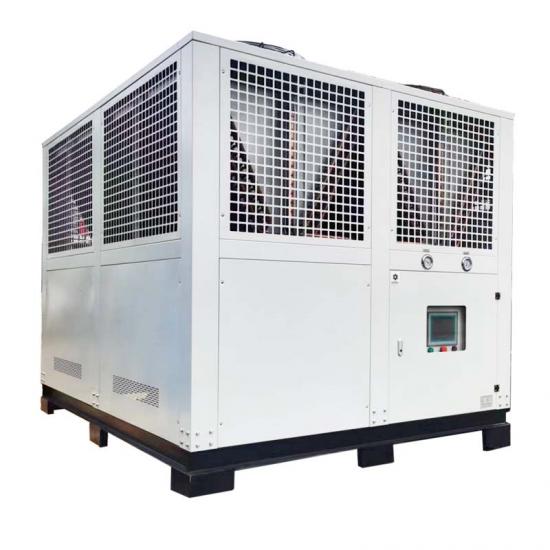
You may notice your Air Cooled Screw Chiller does not deliver the expected cooling performance. Several symptoms can help you identify insufficient cooling:
Increased compressor load. The compressor works harder when refrigerant is low.
Elevated exhaust temperature. High exhaust temperature often signals refrigerant or system issues.
Decreased cooling efficiency. Leaks or shortages in refrigerant reduce overall performance.
Higher power consumption and severe compressor wear. The compressor strains to compensate, leading to more energy use and faster wear.
Tip: If you observe these symptoms, check for refrigerant leaks or blockages in the system.
High pressure faults can disrupt chiller operation and may trigger safety shutdowns. You can confirm and address these faults by reviewing operational data:
|
Cause of High Pressure Faults |
Description |
|---|---|
|
Dirty Condenser Coils |
Dust and debris restrict airflow, raising refrigerant temperature. |
|
Insufficient Cooling Water Flow |
Low water flow prevents proper refrigerant cooling. |
|
Excess Refrigerant Charge |
Too much refrigerant increases system pressure. |
|
Non-condensable Gases |
Air or gases in the system impede condensation, raising pressure. |
|
Faulty Condenser Fan |
Malfunctioning fans trap hot air, increasing pressure. |
|
Electrical Component Fault |
Issues with switches or controls can trigger faults. |
Low suction pressure often points to problems with refrigerant flow or system components. Watch for these common causes:
Dirty filter drier or oil blockage restricts refrigerant flow.
Faulty low-pressure protector gives incorrect readings.
Solenoid valve malfunction disrupts pressure balance.
Expansion valve failure affects pressure regulation.
Refrigerant leakage triggers low-pressure alarms.
Poor heat dissipation in the evaporator reduces efficiency.
Flattened liquid return pipes cause pressure imbalances.
Frequent compressor cycling can reduce system lifespan and efficiency. You may see this issue if the chiller experiences rapid temperature changes, faulty thermostats, or incorrect control settings. Check the Siemens PLC control system for error codes or irregularities in setpoints.
Unusual noises signal mechanical or operational problems. Listen for these sounds:
Compressor abnormality: Metal friction or vibration from worn parts.
Fan or water pump abnormality: Knocking or high-pitched noises from unbalanced blades.
Refrigerant abnormality: Howling or gurgling if refrigerant levels are off.
Installation abnormality: Knocking from loose pipes or amplified vibrations.
Motor failure: Continuous electromagnetic sounds from aging components.
Note: Addressing unusual noises early can prevent major breakdowns and costly repairs.
Diagnosing issues with your Air Cooled Screw Chiller requires a systematic approach. You can often resolve many problems by following a structured process. Modern chillers, such as those equipped with Siemens PLC control systems, make diagnostics more accessible and accurate. These systems provide real-time data and alerts, helping you pinpoint faults quickly and efficiently. Built-in safety protections, including automatic shutdown systems and pressure relief valves, add another layer of security during troubleshooting.
Start your diagnosis with a thorough visual inspection. This step helps you identify obvious problems before you move to more technical checks. Follow these steps:
Check the chiller for any visible physical damage.
Inspect for any leaks in the system.
Look for blockages that may affect performance.
Verify that all protective covers are properly installed.
Tip: Always turn off the power supply before you begin your inspection to ensure your safety.
A careful visual check can reveal issues like loose wires, damaged insulation, or signs of overheating. Addressing these early can prevent more severe problems.
Accurate temperature and pressure readings are essential for diagnosing cooling issues. Use the control panel or Siemens PLC interface to monitor these values. Compare the readings to the recommended operating ranges in your chiller’s manual. Abnormal temperatures or pressures often indicate underlying problems, such as refrigerant leaks, blocked heat exchangers, or faulty sensors.
You should also pay attention to any sudden changes in readings. Consistent monitoring helps you catch trends that may signal developing faults. If you notice persistent deviations, investigate further or consult a professional.
Modern chillers display error codes when they detect faults. The Siemens PLC control system simplifies this process by showing clear messages on the interface. Each code corresponds to a specific issue, such as high pressure, low refrigerant, or compressor overheating.
Refer to your chiller’s manual to interpret these codes. Quick identification allows you to take targeted action, reducing downtime and preventing damage. If you encounter unfamiliar codes or repeated alarms, seek expert assistance.
Note: Built-in safety features protect your equipment and personnel. These include automatic shutdown systems, pressure relief valves, and temperature monitoring systems.
|
Safety Feature |
Description |
|---|---|
|
Automatic Shutdown Systems |
These systems detect any irregularities in the chiller's operation and shut down automatically to prevent damage and ensure user safety. |
|
Pressure Relief Valves |
These valves release excess pressure when it becomes too high, preventing equipment rupture and ensuring safe operation. |
|
Temperature Monitoring Systems |
Continuous temperature checks allow for real-time adjustments, sending alerts if temperatures rise above safe levels. |
By following these diagnostic steps, you can maintain the reliability and efficiency of your Air Cooled Screw Chiller. Early detection and intervention help you avoid costly repairs and extend the lifespan of your equipment.
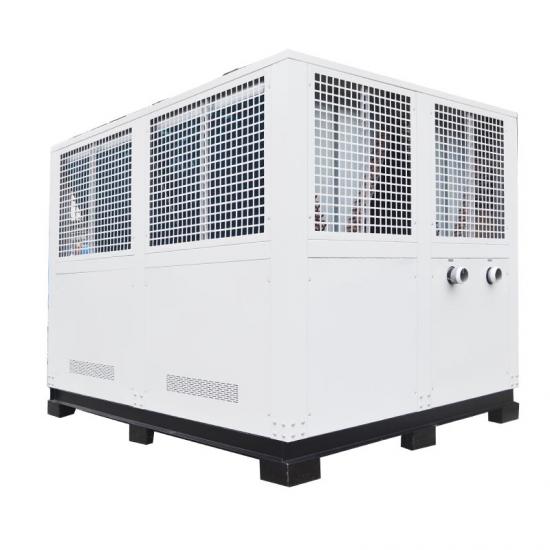
When your chiller fails to deliver the expected cooling, you need to address the root causes quickly. Start by evaluating the compressor, heat exchangers, and control systems. Upgrading to a modern, high-efficiency compressor can reduce energy consumption by up to 9%. Variable Frequency Drives (VFDs) allow the compressor to adjust speed based on demand, which can save up to 20% in energy costs. Regular maintenance of heat exchangers ensures optimal heat transfer and keeps your system running efficiently.
|
Solution |
Description |
|---|---|
|
Upgrading Compressors |
Replacing outdated compressors with modern, high-efficiency models can reduce energy consumption by up to 9%. |
|
Implementing VFDs |
VFDs allow compressors to adjust speed based on cooling demand, saving up to 20% energy consumption. |
|
Maintaining Heat Exchangers |
Regular cleaning and maintenance of heat exchangers ensure optimal heat transfer, crucial for efficiency. |
Tip: Always check your system’s control panel for alerts or error codes that may indicate the source of insufficient cooling.
Pressure issues can disrupt the performance of your chiller and may even trigger safety shutdowns. You can resolve high and low pressure problems by following these steps:
Slowly discharge refrigerant until pressure readings return to normal. Always use recovery equipment to prevent leaks.
Verify the cooling tower fan rotation and inspect for blockages. Increase storage tank capacity if necessary to stabilize water temperature.
Check pipeline filters and pump specifications. Clear any blockages to ensure proper water flow.
Perform regular backflushing and chemical cleaning of the condenser to remove scale and blockages.
Inspect terminal connections and circuit boards for moisture or damage. Address any electrical faults immediately.
Purge air from the system and recharge refrigerant to maintain purity and prevent non-condensable gases from affecting performance.
Note: Consistent pressure readings are essential for the safe and efficient operation of your Air Cooled Screw Chiller.
Proper airflow is critical for efficient heat exchange. If you notice reduced cooling or hear unusual noises, you should inspect the fan system:
Observe the condenser fan to ensure it spins in the correct direction and operates continuously.
Listen for rattling, banging, or humming noises that may signal fan imbalance or loose parts.
Inspect and tighten all screws, bolts, and mounts to secure the fan and minimize vibration.
Check the balance of fans and pumps. Repair or replace any components if you detect imbalance.
Secure pipes and hoses to prevent vibration that could affect fan operation.
If noise or vibration persists, consult a technician for a deeper mechanical inspection.
Regular fan maintenance prevents airflow disruptions and extends the lifespan of your chiller.
Maintaining the correct refrigerant level is vital for reliable chiller operation. You should:
Regularly check for refrigerant leaks to prevent loss and maintain system reliability.
Monitor oil levels, pressures, and temperatures to ensure the compressor functions properly.
Test refrigerant charge frequently to confirm the compressor receives adequate refrigerant for efficient cooling.
Prevent moisture or air from entering the system, as these can degrade refrigerant quality and reduce performance.
Inspect hoses for wear, breaks, or other conditions that may cause leaks. Replace seals periodically, even if hoses appear intact.
Proper refrigerant management not only ensures optimal performance but also reduces the risk of costly repairs and downtime.
Clean heat exchangers are essential for efficient cooling. You should:
Conduct routine visual inspections to identify visible damage, corrosion, or debris on fins, tubes, and fan blades.
Keep the area around the heat exchanger clear of debris, vegetation, and obstructions to maintain proper airflow.
Establish a regular cleaning schedule based on your operating conditions.
Use brushes, air guns, or high-pressure water to remove debris and fouling from fins and tubes.
Inspect and lubricate fan motors and bearings regularly to maintain optimal airflow.
Periodically check tubes for corrosion, scaling, or erosion, and replace damaged tubes as needed.
Keeping heat exchangers clean maximizes efficiency and helps your Air Cooled Screw Chiller deliver consistent performance.
You should prioritize regular cleaning to keep your Air Cooled Screw Chiller running efficiently. Start by cleaning the filter to maintain good airflow. Keep the condenser and evaporator surfaces free from dust and debris. Check the fan for clogs and ensure it operates smoothly. Lubricate moving parts, such as bearings, to reduce wear. Inspect refrigerant lines and pipelines for leaks or damage. These steps help prevent cooling problems and extend the life of your equipment.
Tip: The compact design and pre-wired structure of modern chillers, like the 40 Ton Air Cooled Screw Chiller, make cleaning tasks easier and faster.
You need to inspect all electrical connections regularly. Loose or corroded wires can cause malfunctions or even safety hazards. Make sure all terminals are tight and free from moisture. Examine control panels for signs of overheating or damage. Address any issues immediately to avoid unexpected breakdowns.
You can use advanced PLC systems, such as the Siemens PLC, to monitor your chiller’s performance. These systems provide real-time data, predictive maintenance alerts, and remote access. With these features, you can respond quickly to any irregularities and prevent failures before they occur.
|
Feature |
Contribution to Reliability |
|---|---|
|
Real-time monitoring |
Ensures optimal operation and immediate response to issues. |
|
Predictive maintenance |
Helps prevent failures and extends equipment lifespan. |
|
Remote access |
Allows management from anywhere, enhancing control and convenience. |
Note: Modern PLC systems can schedule and track maintenance tasks, making it easier to stay on top of routine checks.
You should keep detailed maintenance records for your Air Cooled Screw Chiller. Good records help you track service history, identify recurring issues, and plan future maintenance. This practice saves time and money, increases machine longevity, and improves efficiency. Maintenance logs also help you comply with industry regulations and create a safer work environment.
Time and money savings
Machine longevity
Greater efficiency
Regulatory compliance
Increased safety
|
Maintenance Task |
Frequency |
|---|---|
|
Routine operating inspection |
During the cooling season |
|
Major operating inspection |
At least once a year |
|
Annual maintenance inspection |
Based on equipment operating hours |
|
Eddy current tube test |
Every five years |
|
Change refrigerant filter-drier |
Once a year, or sooner if needed |
You should recognize when a cooling problem goes beyond routine maintenance. Some issues require specialized skills and tools. Attempting repairs on complex systems can put you and your equipment at risk. You need to call a professional if you notice any of the following warning signs:
Unusual noises such as grinding, banging, or hissing. These sounds often point to mechanical failures or refrigerant leaks.
Inconsistent cooling across your facility. If some areas stay warm while others cool, your chiller may struggle to maintain performance.
Higher energy bills without a clear reason. A sudden spike in energy use signals inefficiency or hidden faults.
Visible leaks of water or oil near the chiller. Leaks often indicate refrigerant or lubricant problems that require immediate attention.
Error codes or warning messages on the control panel. Ignoring these alerts can lead to severe system damage.
Tip: Never attempt to repair electrical faults, refrigerant leaks, or compressor failures on your own. These tasks require certified technicians with proper training and equipment.
You protect your investment and ensure safety when you involve professionals for these complex or hazardous issues.
Selecting the right service provider ensures your air cooled screw chiller receives expert care. Look for technicians with experience in industrial chillers and certifications from recognized organizations. Ask about their familiarity with advanced systems, such as those using Siemens PLC controls or high-efficiency screw compressors.
You should request references and check reviews from other facility managers. Reliable providers offer transparent pricing, detailed service reports, and clear communication. They also use genuine replacement parts and follow manufacturer guidelines.
Note: Building a relationship with a trusted service provider helps you respond quickly to emergencies and maintain your chiller’s peak performance year-round.
By choosing qualified professionals, you minimize downtime, extend equipment life, and maintain a safe working environment.
You can keep your Air Cooled Screw Chiller running efficiently by following these essential steps:
Inspect for fan noise, motor temperature, and bearing issues.
Remove blockages and adjust system components as needed.
Schedule regular cleaning and maintenance.
|
Maintenance Practice |
Impact on Efficiency |
|---|---|
|
Cleaning tubes |
Maintains optimal heat transfer and prevents efficiency loss. |
|
Analyzing compressor oil |
Detects issues early and reduces downtime. |
For persistent or complex problems, contact a qualified technician. Upgrading to advanced chillers with automatic shutdown systems and pressure relief valves increases safety and efficiency.
You should inspect and clean heat exchangers at least once every cooling season. In dusty or demanding environments, increase the frequency. Clean components help maintain efficiency and prevent unexpected breakdowns.
Yes, you can reset many error codes through the PLC interface after resolving the underlying issue. Always consult your user manual for specific instructions. If the error returns, contact a qualified technician.
Frequent cycling often results from incorrect thermostat settings, sensor faults, or control system errors. Check the Siemens PLC for alerts. Adjust settings or replace faulty sensors as needed to restore normal operation.



Friendly Links :
www.dyyseo.com en
en es
es