

Categories
New Blog
Doing regular maintenance on industrial water chillers saves energy. It also helps them last up to 30% longer.
Make a schedule for maintenance with daily, weekly, and yearly tasks. This helps you find problems early and stops expensive repairs.
Clean condenser coils and air filters often. This makes cooling better and lowers energy bills.
Check water quality and refrigerant levels often. This stops damage and helps your chiller work well.
Always follow the manufacturer's rules. Get help from a professional for big problems to keep your chiller working well.
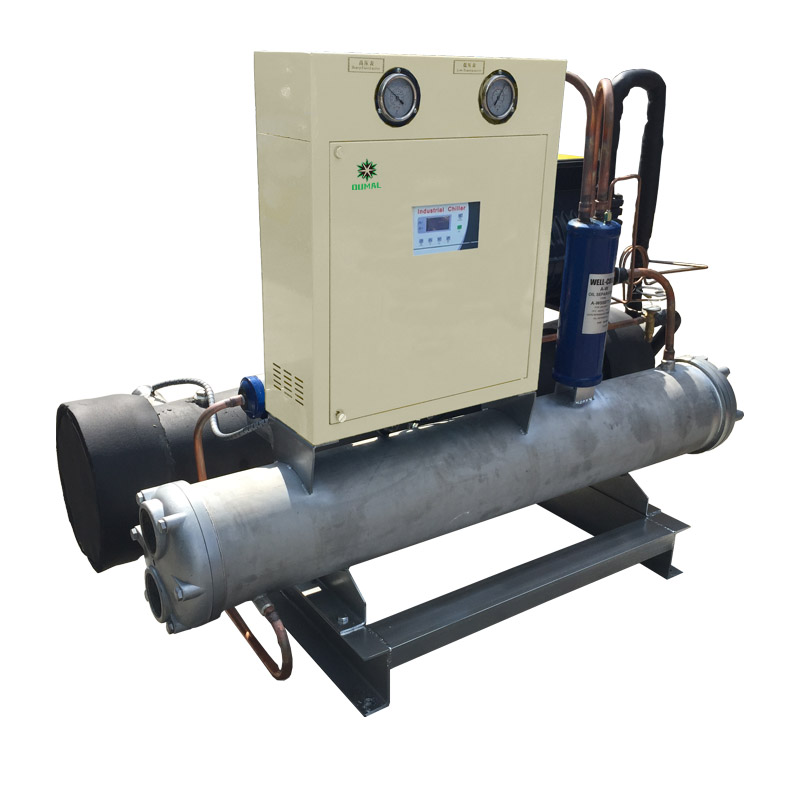
It is important to know the main parts of industrial water chillers. Each part helps cool things down. Here are the main components you will see in most chillers:
Compressor: This part takes in low-pressure refrigerant gas. It squeezes the gas. The gas gets hot and turns high-pressure.
Condenser: The condenser cools the hot gas. It changes the gas into a high-pressure liquid. It does this by letting heat out to air or water.
Evaporator: The evaporator lets the liquid refrigerant take in heat. The liquid turns into a low-pressure gas. This starts the cooling cycle again.
Factories use different types of chillers. Some common types are air-cooled chillers, water-cooled chillers, heavy-duty industrial chillers, absorption chillers, centrifugal chillers, scroll chillers, screw chillers, and reciprocating chillers. Each type works best for certain jobs. Air-cooled chillers use air to get rid of heat. These are good where water is not easy to find. Water-cooled chillers use cooling towers. They are good for big jobs. You can find chillers in many industries. Some examples are plastics, food and beverage, pharmaceuticals, and specialized cooling infrastructure.
You need to take care of your system if you want it to last. Regular checks help you find problems early. Cleaning and caring for parts keeps the chiller working well. A good maintenance plan helps the system work better and saves energy. You also stop expensive breakdowns. Small problems can become big if you ignore them. Good maintenance helps your industrial water chillers run smoothly and last longer. You protect your money and keep your system working.
Tip: Check your chiller often. Simple checks can stop big problems and keep your system working well.
A good maintenance plan helps chillers work well. You should plan tasks for every day, week, and year. This helps you find problems early. It also stops expensive breakdowns. If you follow a routine, you save energy and protect your system.
Check your chiller every day. Look for leaks or strange sounds. Watch for warning lights. Make sure controls work right. Each week, look at the evaporator and condenser coils. Test for leaks and check water quality. These steps help you fix small problems before they get worse.
Here is a table to help you:
|
Frequency |
Maintenance Tasks |
|---|---|
|
Daily |
Look at the chiller, check data, and see if it works. |
|
Weekly |
Check coils, motor heat, test for leaks, controls, and water. |
|
Annually |
Clean everything, check wires, and tune up parts. |
Tip: Set reminders for each job. This helps you remember what to do and keeps your schedule on track.
Preventive maintenance makes chillers last longer. You need to follow steps for each part. Use a checklist so you do not forget anything. Here are some important steps:
Check compressors, pumps, and coils to find problems.
Clean condenser and evaporator tubes to help cooling.
Calibrate sensors and controls for correct work.
Lubricate moving parts to stop damage.
Check refrigerant levels and look for leaks.
A good schedule makes chillers work better and break down less. The table below shows how each step helps:
|
Maintenance Task |
Purpose |
|---|---|
|
Check compressors, pumps, and coils |
Finds problems early |
|
Clean condenser and evaporator tubes |
Helps cooling work better |
|
Calibrate sensors, thermostats, and controls |
Makes sure things work right |
|
Lubricate and test moving parts |
Stops damage to parts |
|
Check refrigerant levels and leaks |
Stops system failures |
You can use full-service programs or preventive plans for extra help. These programs help you do the right steps and keep your chiller working well. If you follow a good schedule, your equipment lasts longer and does not break down suddenly.
Regular cleaning and inspection play a big role in keeping industrial water chillers running at their best. You can boost heat transfer efficiency, lower energy use, and make sure your system delivers reliable cooling. Water cooling maintenance helps you spot problems early and keep your equipment in top shape.
You need to clean condenser coils often to keep heat transfer efficiency high. Dirty coils block airflow and make your chiller work harder. This wastes energy and lowers performance. Follow these steps for safe and effective water cooling maintenance:
Shut down the system using the manufacturer’s procedure.
Open the chiller to reach the tube sheet.
Clean the tube facing and fix any corroded spots.
Use a video scope to check for deposits inside the tubes.
Wet the tubes to soften dry dirt.
Use a rotary cleaner to scrub several tubes at once.
Check your results and clean more if needed.
Finish by cleaning the rest of the tubes and doing spot checks.
You should also use low-pressure cleaning tools to avoid damaging the fins. Apply noncaustic, nonfuming chemicals and let them soak in. Flush the coils with water, spraying opposite the airflow to wash away dirt. This process keeps your cooling system safe and helps maintain proper operation.
Tip: Clean condenser coils at least once a year or more if your environment is dusty. Clean coils improve heat transfer efficiency and save energy.
Air filters protect your chiller from dust and debris. Clogged filters block airflow and reduce cooling power. You should check filters every month as part of your water cooling maintenance routine. Replace or clean them if you see dirt buildup.
Remove filters and hold them up to the light. If you cannot see through them, it is time to clean or replace.
Use a vacuum or wash with water if the filter is reusable.
Make sure the filter is dry before putting it back.
Clean filters help your chiller breathe better. You get steady cooling and better performance. This simple step supports proper operation and keeps your system running longer.
Pumps move water through your chiller. If the flow rate is too high or too low, you lose efficiency and waste energy. Water cooling maintenance should always include checking water temperature and flow rate.
Check flow meters and compare readings to the manufacturer’s standards.
Adjust pumps to keep flow rates in the right range.
Watch for leaks or strange noises from the pump.
Use variable speed pumps to match cooling needs and save energy.
Keeping the right flow rate gives you many benefits:
You get better heat transfer efficiency and lower energy bills.
Your cooling stays steady, and your equipment lasts longer.
You avoid problems like freezing or fouling.
Note: Even small changes in flow rate can cost a lot of money each year. Regular water cooling maintenance and data checks help you spot issues early and keep your system efficient.
By following these cleaning and inspection steps, you support chiller maintenance and keep your industrial water chillers working at peak performance.
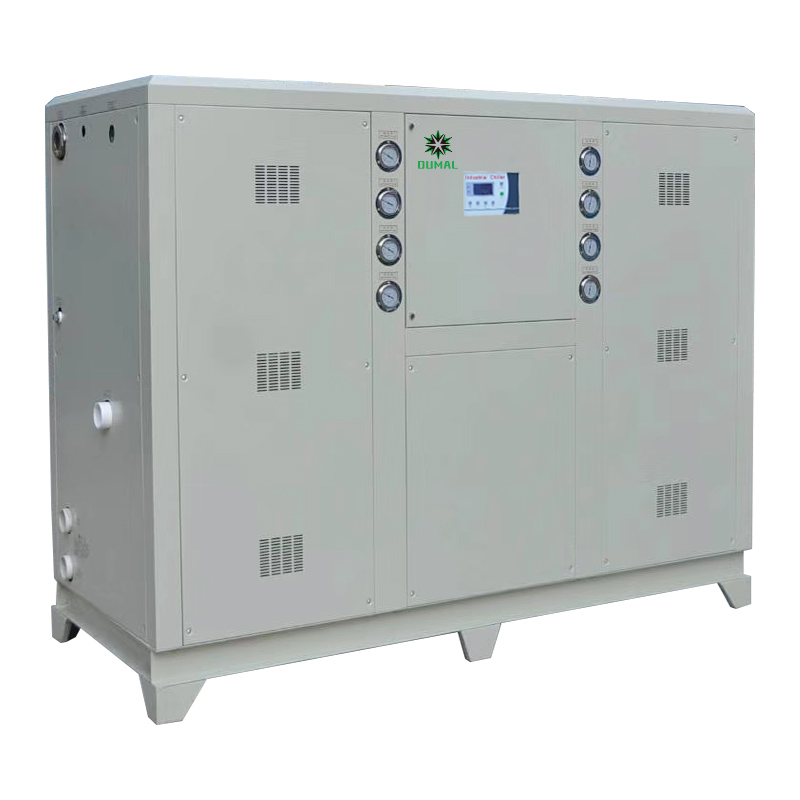
It is important to watch water quality in chillers. Clean water helps your system work well. Bad water can cause scale, rust, and bacteria. These problems make your system less efficient. They also make your chiller not last as long.
Scale and rust can hurt your chiller. They make your system work worse. You can stop these problems with good water treatment. Here are some ways to protect your chiller:
Use inhibitors to stop rust. These chemicals make a thin layer on metal. This layer keeps metal from rusting.
Add scale inhibitors. These stop minerals from sticking to pipes. They keep hard deposits from forming.
Check pH levels often. Low pH means more acid. Acid can eat away at steel and other metals.
Use filters to take out dirt and solids. Clean water helps your system run better.
Add chemicals to control pH and hardness. This keeps water safe for your equipment.
Tip: Always look at your water treatment plan. Change chemicals and filters when needed. This helps your system work well.
Testing water often helps your cooling system stay healthy. You should test for pH, hardness, and bacteria. This helps you find problems early. You can fix them before they get worse.
Here are the main steps for testing water:
Take water samples from different places in your system.
Test for pH, hardness, and bacteria with test kits.
Compare your results to what is normal.
|
Core Water Quality Targets |
Description |
|---|---|
|
Manage Suspended Solids and Debris |
Keeps water clean and stops fouling. |
|
Control Dissolved Oxygen Levels |
Lowers the chance of rust in your system. |
|
Maintain Proper pH Levels and Chemical Balance |
Helps chemicals work right and keeps things stable. |
|
Control Bacteria and Biofilm Formation |
Stops germs from growing and hurting your system. |
Change chemical amounts if your test results are not right. Replace filters and old parts to keep your system working well. Testing often and fixing problems fast helps your system work better and last longer.
Note: Good water quality means your system works better, breaks less, and lasts longer.
You need to check refrigerant levels often to keep your chiller running well. If the refrigerant level drops or rises too much, your service will not cool as it should. You may see higher energy bills and more wear on your equipment. Tracking refrigerant use helps you spot leaks early. When you find leaks fast, you can fix them and keep your service efficient. Reducing refrigerant loss also lowers energy use.
Here is a table that shows how refrigerant levels affect your service:
|
Key Factors |
Impact on Performance and Safety |
|---|---|
|
Refrigerant Charge Levels |
Changes how well your service cools and saves energy |
|
Compression Ratios |
Affects how much power your service uses |
|
Heat Exchanger Effectiveness |
Keeps your service working at the right temperature |
|
Control Strategies |
Helps your service stay safe and avoid damage |
You should always check for warning signs. Look for ice on pipes, strange noises, or drops in cooling power. These signs mean your service may need more refrigerant or have a leak. Use gauges and sensors to measure levels. If you see a problem, call a trained service technician.
Tip: Write down refrigerant checks in your service log. This helps you track changes and spot problems early.
Compressor oil keeps your service running smoothly. You must keep the right oil level to stop damage and foaming. Clean oil helps your service last longer and work better. Dirty oil can cause your service to break down.
Follow these steps for good oil service:
Keep oil at the right level for your service.
Clean coolers and keep oil below 190°F (88°C).
Check intake filters to stop dirt from getting in.
Use oil purification systems to remove solids and acids.
Add new additives to keep oil strong.
Test oil often to check its condition.
Change oil based on test results, not just time.
You should always use the oil type your service manual recommends. If you see dark oil, metal bits, or a burning smell, call a service expert. Good oil service keeps your system safe and helps you avoid costly repairs.
Note: Regular oil checks and clean oil help your service run better and last longer.
You should check the electrical parts in your chiller often. Regular checks help you find broken or worn pieces early. Look at wiring, terminals, and contactors for rust or damage. If you find problems soon, you can fix them fast. This helps you stop sudden shutdowns. Many electrical problems show up during routine checks. You might see uneven voltage, changing current, or loose wires after repairs. Sometimes, blown fuses or open breakers stop your system. Losing a phase in a three-phase supply can also cause faults.
Here is a table that lists some electrical faults and their causes:
|
Fault Type |
Cause(s) |
|---|---|
|
High-Pressure Trip |
Dirty condenser coils, low cooling water flow, high temperature, too much refrigerant |
|
Low-Pressure Trip |
Low refrigerant, low water flow, dirty evaporator tubes, low cooling load |
|
Compressor Overload / Motor Overcurrent Trip |
High refrigerant pressure, electrical supply issues, locked rotor, starter failure |
|
VSD Fault/ Inverter Trip |
High input current, voltage changes, overheating, faulty drive components |
Tip: Always write down what you find during each check. This helps you see changes and spot problems over time.
You need to keep electrical connections tight and working well. Loose wires can cause big trouble, especially after repairs. If you check connections often, you lower the risk of shutdowns. Test and tighten all wires and terminals. Replace any damaged cables. Look for blown fuses and open breakers. If you find any, change them right away. Watch for voltage changes from other machines on the same circuit. Strong connections help your chiller work smoothly and keep your system safe.
Check and test all wires and terminals.
Tighten any loose connections.
Change damaged cables.
Look for blown fuses and open breakers.
Watch for voltage changes.
Note: Good electrical connections protect your equipment and help you avoid expensive repairs.
You can use digital tools to watch your chiller from anywhere. Many factories use web-based Industrial IoT platforms now. These tools let you see your system’s data right away. You get a dashboard that shows how your equipment is working. You can look at charts, check alarms, and even control your chiller from far away. Some tools send alerts to your phone or email if there is a problem. You can also:
Get to your chiller data safely from any place.
See both new and old performance with simple trend charts.
Set warning levels and get alerts before problems get worse.
Use passwords to keep your data safe.
Get messages when your system hits important limits.
These features help you act quickly and keep your equipment working well. You do not have to be at the factory to know if your chiller needs help.
You should keep a log for your chiller’s care. Write down every check, fix, and part you change. This record helps you see patterns and find problems early. Today, many companies use AI analytics to look at these logs. The system checks vibration, temperature, pressure, and electrical data. It learns how your equipment acts and finds warning signs before something breaks. You can:
Use machine learning to spot small changes in your chiller.
Catch problems you might miss with normal checks.
Make predictions better as the system learns more about your equipment.
By using digital tools and analytics, you can make your chiller work better and stop expensive breakdowns. Finding problems early means you fix small things before they turn into big ones.
Tip: Look at your logs and analytics often. This habit helps you keep your chiller working well and saves money over time.
You can make your chiller work better by matching its output to what is really needed. This means the chiller does not work too hard or too little. You save energy and help your system last longer. Many factories use smart ways to do this:
Advanced control algorithms change how fast the compressor runs. These help the chiller react to changes in cooling needs.
Variable speed compressor control lets the chiller run at different speeds. This matches how much cooling is needed and saves energy.
Intelligent load prediction uses data to guess what cooling will be needed soon. The system can change settings before the need goes up or down.
Thermal energy storage makes cold water or ice when power is cheaper. You use this cold later when you need more cooling.
These smart methods help keep cooling steady. You also spend less money and your equipment does not get worn out as fast.
Smart load management helps your chiller use less energy and stay in good shape. You can use special chiller analytics to watch your system. These tools check temperature changes and make sure the chiller does not work too hard. This keeps energy use low and cooling strong.
Smart controllers use real-time data to watch and change your chiller. They look at things like the weather and how much cooling is needed. The system changes settings to keep everything working well. Studies show chillers with IoT technology can use up to 50% less energy than old ones. You get better cooling, lower bills, and your equipment lasts longer.
Tip: Use smart tools and analytics to keep your cooling strong and your costs down.
Some people think small chiller problems do not matter. But ignoring them can make things worse later. Many people miss early warning signs. You might see a power problem or a flow alarm. Sometimes, you get a water temperature alarm. These signs mean something is wrong.
Here are some chiller problems you should not ignore:
Power not on. Loose wires or a blown fuse can cause this.
Flow alarm. Low water or leaks in pipes can trigger it.
Water temperature alarm. Dust nets, bad airflow, or wrong settings can cause it.
High room temperature alarm. Running chillers in hot rooms can cause this.
Condensate condensation. High humidity or cold water can lead to this.
Slow drainage when changing water. A closed port can make draining slow.
If you ignore these problems, your chiller can break down. You might pay more for repairs and lose time. Checking your chiller often helps you find problems early.
Tip: Always look for small chiller problems when you do maintenance. Fixing them early helps your system work well.
You should follow the instructions from the manufacturer. These rules protect your chiller and your warranty. If someone not approved fixes your chiller, you may lose your warranty. Not fixing problems can make things worse. You might need a new chiller if you ignore these rules.
Manufacturers want you to keep records of all maintenance. They also ask you to test oil and refrigerant often. This helps you find problems before they get bad. Doing these things helps your chiller last longer and work better.
Only let approved people fix your chiller.
Write down every maintenance job you do.
Test oil and refrigerant as the manufacturer says.
Note: Following the manufacturer’s rules helps you avoid big problems and keeps your chiller safe.
You should have a professional check your chiller every year. Certified experts follow the right rules for maintenance. Look for technicians with certifications like Refrigerant Handling or Thermal Systems Excellence.
| Certification Name | Focus Area |
| Refrigerant Certification | Safe refrigerant handling |
| Thermal Systems Excellence | Full cooling system knowledge |
| Professional Technician Excellence | Special mechanical system skills |
| Refrigeration Service Engineers | Advanced refrigeration skills |
Tip: Always ask to see certification before letting someone work on your chiller. This keeps your equipment safe and working well.
Call a professional if you see certain warning signs. Some problems need expert help fast. Watch for these issues:
Less cooling can mean cleaning or refrigerant trouble.
Strange noises may mean loose parts or mechanical problems.
Vibrations can show misalignment or imbalance.
Leaks can lower performance and hurt the environment.
High energy use may mean your chiller works too hard.
Ice build-up can harm your equipment.
Control system failures can cause wrong temperatures.
High discharge temperatures may stress the compressor.
Power interruptions can mean electrical problems.
Here is a table that lists more signs and what might cause them:
|
Sign of Problem |
Possible Causes |
|---|---|
|
Strange Noises |
Loose compressor parts, broken fan motors, refrigerant leaks, air in the system. |
|
Cooling problems or higher temperatures |
Low refrigerant, bad thermostats, blocked coils, broken compressors. |
|
Higher energy bills |
Dirty filters or coils, broken valves or motors, wrong cycling, refrigerant problems. |
|
Cycling too often or running too long |
Wrong size system, bad pressure switches, broken thermostats, refrigerant trouble. |
|
Water leaks or wet spots near the unit |
Blocked or cracked drain lines, leaking refrigerant, frozen coils, bad pipe insulation. |
If you see any of these signs, call a certified technician right away. Quick action helps you avoid bigger repairs and keeps your chiller working well.
You can help your chiller work well by doing some simple things:
Use automatic cleaning and remote tools to find problems fast.
Check water quality and temperature often so nothing gets damaged.
Write down what you do each day and plan regular checks for your system.
Clean coils, watch refrigerant, and keep flow rates right.
Taking care of your chiller early saves money, stops breakdowns, and helps your equipment last longer. Start now to keep your chiller safe and working all the time.



Friendly Links :
www.dyyseo.com en
en es
es