

Categories
A good industrial water chiller helps you keep your processes running smoothly and your equipment safe. When you choose a chiller for your business, you need to focus on several important factors:
Cooling requirements
Installation compatibility
Chiller type
Efficiency
Maintenance needs
Pricing
Manufacturer reliability
Each of these elements plays a key role in delivering consistent performance and value.
Understand your cooling requirements by calculating the cooling load. This ensures you select a chiller that meets your facility's needs.
Choose the right chiller type—air-cooled or water-cooled—based on your facility's space, water availability, and efficiency needs.
Prioritize energy efficiency when selecting a chiller. High-efficiency models save money on energy costs and reduce environmental impact.
Regular maintenance is crucial for chiller performance. Follow manufacturer guidelines to prevent breakdowns and ensure efficiency.
Evaluate manufacturer reliability and support. A reputable manufacturer provides essential assistance and warranties for long-term performance.
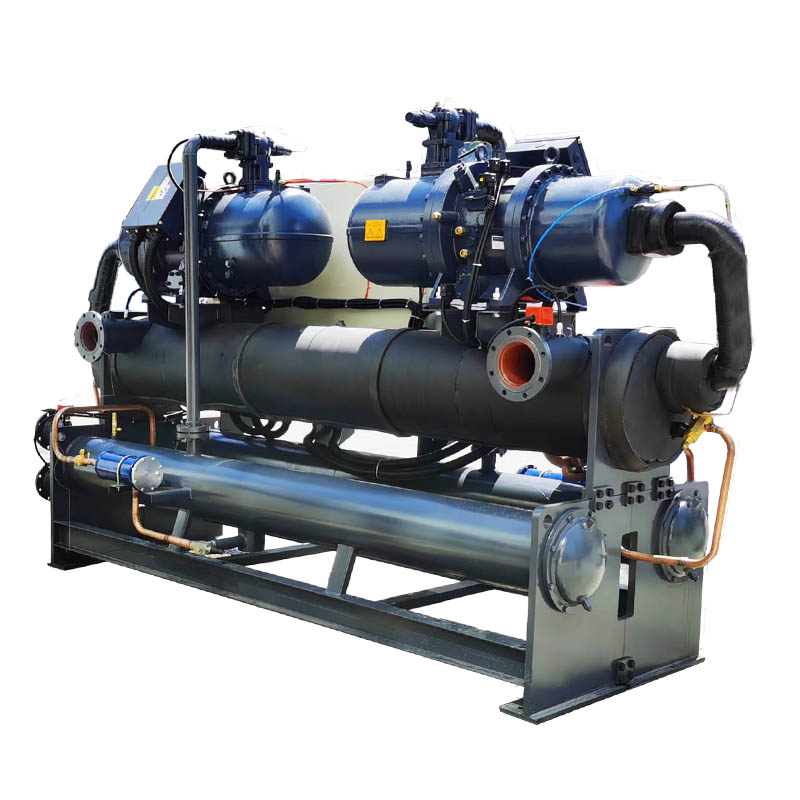
Understanding cooling requirements for your facility is the first step in selecting the right industrial water chiller. You need to analyze your process, environment, and future needs to ensure reliable performance and efficiency. The cooling load, fluid temperature, and process flow all play a role in determining the best chiller for your application.
You must calculate the cooling load to match the chiller to your facility’s needs. This process starts with identifying the heat generated by your equipment and materials. For example, injection molding machines, chemical reactors, and other industrial equipment produce process heat that the chiller must remove. Material throughput heat depends on the specific heat capacity and mass flow rate of the materials you process. Ambient heat gains, such as rising temperatures in your facility, also increase the workload on the chiller.
Tip: Always add a margin of 10-25% to your cooling load calculation. This ensures your chiller can handle unexpected spikes and future expansion.
To calculate the cooling load, use the following formula:
Cooling Load (BTU/hr) = Flow Rate (GPM) × 500 × ΔT You can use a chiller size calculator to simplify this process. For example, if your process requires a flow rate of 20 gallons per minute (GPM) and a temperature difference (ΔT) of 10°F, the cooling load is 100,000 BTU/hr. This calculation helps you select the right chiller capacity for your facility.
Different types of chillers suit various industrial applications. Plastics, food processing, and pharmaceuticals each have unique cooling requirements. You must identify the process heat generation and material throughput heat for your specific application. An example for a plastics manufacturer shows how to determine the required cooling load based on material cooling and equipment heat.
Incorrect sizing impacts system performance and energy consumption. An undersized chiller works constantly, leading to higher energy costs and premature wear. Process temperatures may exceed setpoints, causing product defects or equipment shutdowns. An oversized chiller increases initial costs and experiences excessive short-cycling, which stresses the compressor and wastes energy. Accurate sizing ensures your chiller operates efficiently and reduces indirect carbon emissions.
Industry standards guide you through sizing and load calculation:
Calculate your cooling load, including process heat, material throughput, and ambient heat gains.
Determine fluid and flow requirements for optimal performance.
Account for environmental conditions like ambient temperature and altitude.
Choose the right chiller type and capacity for your facility.
Validate your calculations and plan for future needs.
Installation compatibility matters for both new and retrofit projects. Many older systems face reliability issues and higher maintenance costs. Energy efficiency mandates and regulatory compliance requirements drive upgrades and replacements. You must consider these factors when selecting a chiller for your facility.
|
Factor |
Description |
|---|---|
|
Aging Infrastructure |
Older systems may need retrofits due to reliability issues and increased maintenance costs. |
|
Energy Efficiency Mandates |
Modern chiller technologies offer significant efficiency improvements, lowering operational costs and environmental impact. |
|
Regulatory Compliance Requirements |
Evolving refrigerant regulations require upgrades or replacements of outdated systems. |
You must determine the required fluid temperature and process flow rates to ensure your chiller meets your cooling requirements. Start by calculating the total cooling load, including process heat and ambient heat gain. Add a margin of 10-25% to account for variations and future changes. This approach ensures your chiller can handle real operating conditions.
Knowing the flow rate, inlet temperature, outlet temperature, and heat load is crucial. For example, a chiller with a flow rate of 20 GPM and a ΔT of 10°F requires a cooling load of about 7.68 tons. This practical calculation helps you match the chiller to your facility’s needs.
The choice of process fluid, such as water or water/glycol solutions, affects chiller performance and efficiency. Corrosion inhibitors and biocides prevent corrosion and algae growth, which can cause system failures. Regular maintenance, including replenishing corrosion inhibitors, keeps your chiller operating at peak performance.
Ambient temperature impacts chiller efficiency. A 1°C rise can reduce capacity by about 1%. Design features like oversized condensers and variable-speed fans improve performance in warmer climates. Air-cooled chiller capacity declines with rising ambient temperatures, so optimizing design for hot weather enhances reliability and efficiency.
You must consider the wetted chemistry of surfaces in contact with the process fluid. Selecting appropriate corrosion inhibitors and managing glycol use prevents algae growth and maintains system reliability.
Matching chiller size to worst-case site conditions and installation compatibility ensures your industrial chiller delivers consistent performance. You must evaluate your facility’s needs, environmental conditions, and future expansion plans. This approach helps you select the right chiller types and capacity for your application.
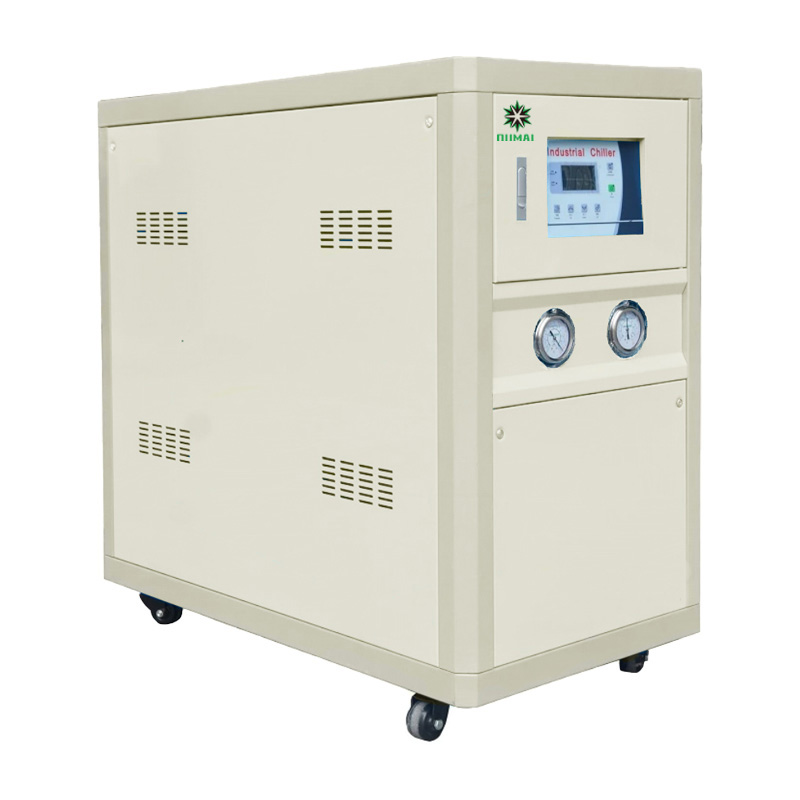
You will find two main chiller types in most industrial settings: air-cooled and water-cooled. Each type offers unique benefits and fits different environments. Air-cooled chillers use ambient air to remove heat, while water-cooled chillers rely on water for heat exchange. The table below highlights the key differences:
|
Feature |
Air-Cooled Chillers |
Water-Cooled Chillers |
|---|---|---|
|
Cooling Method |
Uses ambient air for heat exchange |
Relies on water for heat exchange |
|
Energy Efficiency |
Generally lower efficiency |
More energy-efficient due to better heat transfer |
|
Space and Installation |
Requires less space, easier to install |
Needs more space for cooling towers and pumps |
|
Maintenance |
May require more frequent maintenance |
Generally lower maintenance but needs water supply |
|
Water Usage |
Does not require water for cooling |
Requires a constant supply of water |
You should consider your facility’s space, water availability, and local regulations when choosing a chiller type. Air cooled chiller units work well in areas with limited water or strict water conservation policies. Water-cooled chillers deliver higher efficiency and suit large-scale applications with steady water supplies. Environmental regulations may also influence your decision, especially if your region encourages low-GWP or natural refrigerants.
Modern industrial water chiller systems offer advanced control features that boost performance and safety. You can use real-time data and predictive algorithms to optimize operation based on your facility’s cooling demands. Building Automation Systems (BAS) and Building Management Systems (BMS) allow you to integrate chiller controls with other building functions. Chiller sequencing helps you run the best combination of units for your current load, improving efficiency.
Variable primary flow and pump optimization adjust water flow and speed to match actual needs, reducing energy use. Free cooling uses outdoor conditions to save energy, while heat recovery captures waste heat for other processes. Modular chillers give you flexibility by letting you add or remove capacity as your application changes. This adaptability supports growth and helps you meet sustainability goals.
Safety features play a critical role in reliable chiller operation. You must balance efficiency with safety protocols to prevent equipment failure. High pressure management, conservative temperature settings, and regular servicing all protect your investment. Industry certifications such as UL, CE, and ASHRAE compliance ensure your chiller meets safety and performance standards.
Tip: Modular chiller types can help you scale capacity up or down, making them ideal for growing industrial operations.
You need to understand how efficiency shapes the value of an industrial water chiller. Efficiency determines how much energy your chiller uses to deliver cooling. High efficiency means lower energy costs and better chiller performance and costs over time. You can measure efficiency using several important metrics:
Coefficient of Performance (COP) shows how well your chiller converts electrical energy into cooling. A higher COP means better efficiency.
Integrated Part Load Value (IPLV) gives you a realistic view of annual energy use. IPLV focuses on part-load conditions, which matter because chillers rarely run at full capacity.
Non-Standard Part Load Value (NPLV) works like IPLV but uses non-standard conditions. NPLV helps you predict efficiency for your specific application.
Full Load COP tells you how your chiller performs during peak demand. This metric is crucial for understanding energy efficiency impact during the busiest times.
You should look for chillers with advanced energy-saving technologies. These features help you achieve optimal performance and cost-effectiveness:
Magnetic bearing chillers use less energy and reduce maintenance needs.
Variable Frequency Drives (VFDs) adjust motor speed to match cooling demand, saving energy.
Heat recovery systems capture waste heat for other uses in your facility.
Thermal energy storage solutions let you shift cooling loads to off-peak hours, lowering costs.
Tip: Chillers with high IPLV and COP ratings deliver better efficiency across different operating conditions. You can save money and reduce environmental impact by choosing the right types for your facility.
You must compare initial costs versus lifetime costs when selecting a chiller. The purchase price is only part of the story. Energy costs, maintenance, and long-term savings matter just as much. High-efficiency chillers often cost more upfront, but they deliver lower operating costs and better performance.
The table below shows how efficiency affects total costs over ten years:
|
Cost Factor |
Standard Unit |
High-Efficiency Unit |
Annual Savings |
|---|---|---|---|
|
Purchase Price |
$4,000 |
$4,800 |
-$800 |
|
Annual Energy Cost |
$900 |
$630 |
$270 |
|
10-Year Energy Cost |
$9,000 |
$6,300 |
$2,700 |
|
Maintenance Cost |
$2,000 |
$1,600 |
$400 |
|
10-Year TCO |
$15,000 |
$12,700 |
$2,300 |
You can see that a high-efficiency chiller reduces energy and maintenance costs. Over ten years, you save $2,300 compared to a standard unit. This savings comes from lower energy use and fewer repairs. You need to consider these factors for optimal performance and cost-effectiveness.
Payback periods for high-efficiency chillers usually range from four to seven years. Your actual payback depends on electricity pricing, how often your facility operates, and any government incentives for energy efficiency. You should check local programs that reward efficient industrial equipment.
Note: Investing in a high-efficiency chiller pays off in the long run. You lower your energy bills, reduce maintenance, and improve reliability. You also support sustainability goals for your facility.
You must evaluate chiller types, application needs, and pricing to make the best choice. Look beyond the initial price. Consider lifetime costs, efficiency metrics, and energy-saving features. This approach helps you achieve optimal performance and cost-effectiveness for your industrial facility.
You must prioritize maintenance when you operate an industrial water chiller. Regular maintenance keeps your chiller running efficiently and prevents costly breakdowns. You should follow the manufacturer's guidelines for all servicing tasks. These include cleaning condenser and evaporator coils, lubricating moving parts, and checking refrigerant levels. You also need to inspect electrical components, test water quality, and calibrate temperature controls.
Keeping tubes clean is crucial for heat transfer efficiency. You should treat condenser water to prevent corrosion and scaling. Regular analysis of compressor oil helps you determine when servicing is needed.
A maintenance checklist helps you stay organized:
Gather and review the manufacturer's maintenance instructions.
Clean coils and check insulation.
Inspect belts, sheaves, and fan speed controllers.
Listen for unusual noises or vibrations.
Test safety systems and compare tonnage produced versus electricity consumed.
You must also focus on safety. Reliable chiller manufacturers design units with built-in safety features. These include high-pressure cutouts, temperature alarms, and vibration sensors. Safety features protect your facility and staff from unexpected failures.
When buying a new chiller unit, you should choose a manufacturer with a strong reputation for support and reliability. Leading manufacturers offer technical support throughout the chiller’s life. You can expect help with chiller selection, start-up, and commissioning. Many provide 24/7 online support and free replacement spare parts.
|
Service Type |
Description |
|---|---|
|
Chiller Selection Assistance |
Guidance for matching the right chiller to your application. |
|
24/7 Online Support |
Help available any time for chiller issues. |
|
Start-up and Commissioning |
Support for initial setup and documentation. |
|
Free Replacement Spare Parts |
Fast shipping of spare parts at no extra cost. |
You should always review warranty terms before buying a new chiller unit. Most manufacturers offer warranties of 1-2 years on parts and labor, with some extending compressor coverage up to 5 years. Ask these questions:
What components does the warranty cover, and for how long?
Are there exclusions or conditions that void coverage?
Does the warranty include labor and travel, or just parts?
Are extended warranty options available?
A reputable chiller manufacturer provides consistent service, expertise, and quick response times. Preventative maintenance programs and transparent communication build trust and ensure long-term performance. You can check for awards, recognitions, and repeat customer rates to evaluate a manufacturer’s reliability. Always match the chiller to your facility’s needs and application for the best results.
You need to consider several critical factors when selecting an industrial water chiller for your business. The table below highlights the most important points:
|
Factor |
Description |
|---|---|
|
Size |
Match the chiller to your cooling load for reliable performance. |
|
Application |
Choose a chiller suited to your industry and process needs. |
|
Type |
Select the right chiller type for your environment and installation. |
|
Pricing |
Compare costs and understand long-term savings. |
|
Manufacturer |
Evaluate warranty and support for ongoing reliability. |
Aligning chiller features with your business needs improves efficiency and can deliver energy savings of 10%–40%. You avoid common mistakes by focusing on real load requirements and proper water treatment. For complex projects, consult experts or suppliers to ensure you make the best choice.
You use air-cooled chillers when you have limited water or need easy installation. Water-cooled chillers work best in large facilities with steady water supply. Water-cooled units offer higher efficiency and lower energy costs.
You should perform basic maintenance every month. Clean coils, check refrigerant levels, and inspect electrical parts. Schedule a full service at least once a year to keep your chiller running efficiently.
You can use a single chiller for several processes if you size it correctly. Modular chillers let you add capacity as your needs grow. Always check compatibility with your process requirements.
You improve efficiency by choosing the right chiller size, using energy-saving features, and maintaining the unit regularly. High-efficiency chillers use less energy and reduce operating costs.
You select a manufacturer with strong support, clear warranty terms, and proven reliability. Look for awards, customer reviews, and fast response times. Reliable manufacturers help you avoid downtime and costly repairs.



Friendly Links :
www.dyyseo.com en
en es
es