

Categories
New Blog
Choosing the right portable air chiller starts with matching the unit’s type, size, and features to your needs. You want effective cooling without wasting energy, so pay attention to room size, BTU rating, and energy efficiency. Noise level matters if you value quiet spaces. Features like fan speeds, timers, and portability make life easier. Here’s what most buyers look for:
|
Factor |
Why It Matters |
|---|---|
|
Room Size |
Matches cooling power to your space |
|
Fan Speed Selection |
Lets you control comfort |
|
Timer Features |
Saves energy and money |
|
Portability |
Moves easily between rooms |
Match the air chiller size to your room. Measure your space to avoid choosing a unit that is too weak or too powerful.
Consider your local climate. Evaporative coolers work best in dry areas, while portable air conditioners are better for humid environments.
Look for energy efficiency. Higher EER ratings mean lower electricity bills, so choose models that save energy without sacrificing performance.
Check for important features. Timers, fan speeds, and portability enhance convenience and comfort, making your air chiller easier to use.
Avoid common sizing mistakes. Consider factors like humidity, ventilation, and insulation to ensure effective cooling and energy savings.
You want your portable air chiller to match your space. Start by measuring your room size. Grab a tape measure and jot down the length and width. Multiply those numbers to get the square footage. This step helps you avoid picking a unit that’s too weak or too powerful.
If you choose an air cooler that’s too small, it won’t keep up. If you go too big, you waste energy and money. Portable air conditioners work best in smaller rooms. Their design relies on conditioned air from the room to cool mechanical parts. In larger spaces, warm air sneaks in from outside or nearby rooms, making cooling less effective. You’ll notice that portable units don’t cool as well as window units in big areas.
Here’s a quick guide to coverage areas for different air cooler sizes:
|
CFM Range |
Recommended Coverage Area |
Description |
|---|---|---|
|
Under 1000 CFM |
90 to 150 square feet |
Perfect for compact rooms. Keeps small spaces comfortable. |
|
1000–2000 CFM |
150 to 300 square feet |
Great for apartments. Balances performance and noise for medium rooms. |
|
2000–3000+ CFM |
Large rooms and open-plan areas |
Designed for big spaces. Ensures good air circulation in heat-heavy environments. |
If you need a room cooler for a large living room or open-plan area, look for a higher CFM rating.
Think about your local climate before you pick an air cooler. Evaporative coolers depend on humidity and temperature. They work best in dry, hot places. If you live somewhere humid, their cooling power drops.
Here’s what affects air cooler performance:
Humidity levels and temperature change how well evaporative coolers work.
Wet-bulb depression tells you the cooling potential. If it’s 30°F or higher, you get excellent cooling. Between 20–25°F, you get good results. If it’s 10–19°F, you’ll only get spot cooling. Below 10°F, evaporative coolers won’t help much.
Seasonal changes matter. Some units work better in summer than in spring or fall.
How often you use your air cooler also matters. If you run it daily, regular maintenance keeps it efficient. Clean or replace air filters often. Check and clean coils to help the unit absorb and release heat. Heavy use wears out the unit faster. Environmental factors like temperature and humidity affect efficiency and durability.
Tip: Match your air cooler to your room size and climate for the best results. Don’t forget to check how often you’ll use it and plan for easy maintenance.
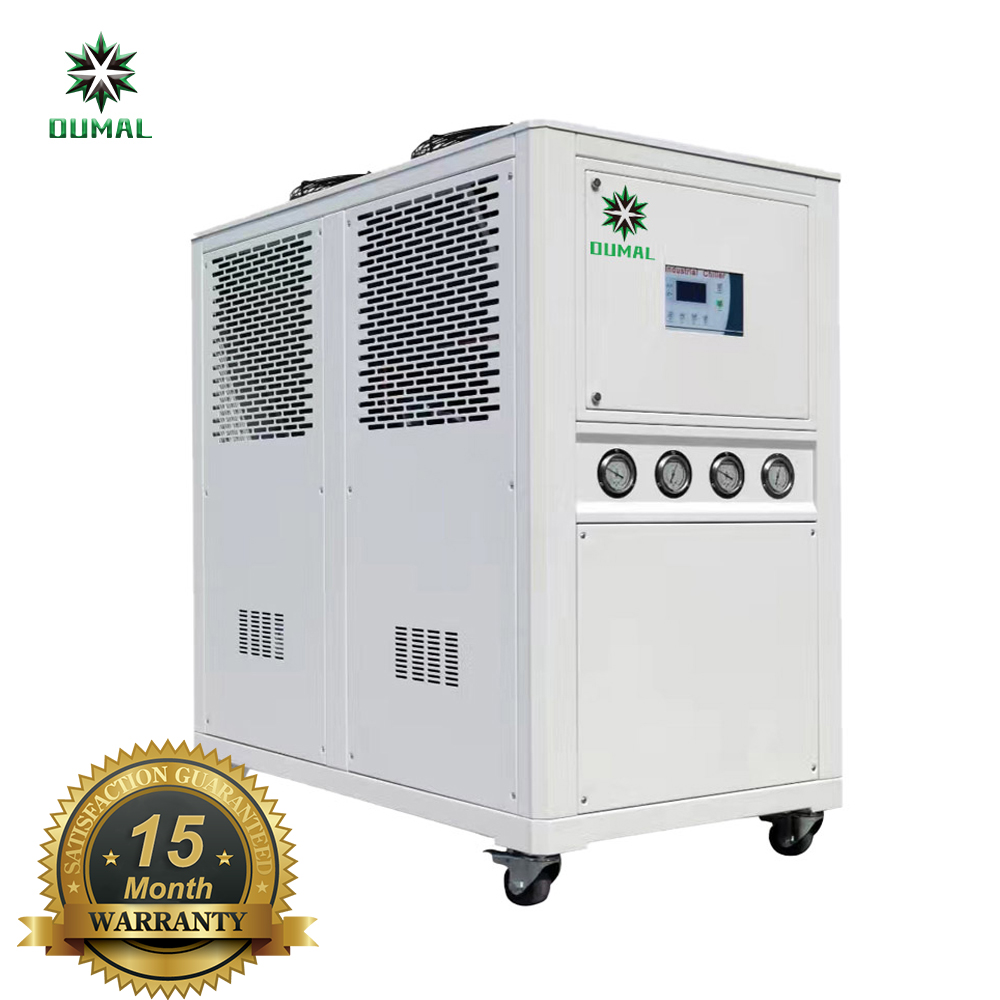
When you start shopping for a portable air chiller, you’ll notice two main types: portable air conditioner and air cooler. These units look similar, but they work in very different ways. Here’s a quick comparison to help you decide which one fits your needs:
|
Feature |
Portable Air Conditioner |
Portable Air Cooler |
|---|---|---|
|
Cooling Method |
Uses refrigeration cycle to cool air |
Uses evaporation to cool air |
|
Energy Consumption |
Higher energy use, can be costly |
Up to 75% less energy use |
|
Best Operating Conditions |
Works well in humid environments |
Best in dry climates, needs fresh air outlet |
|
Installation |
Needs exhaust hose for operation |
No installation, just add water |
|
Cooling Efficiency |
Cools larger spaces effectively |
Less effective in high humidity, good for small areas |
If you want the best air cooler for a dry climate, an air cooler will save you money and energy. If you need strong cooling in a humid area, a portable air conditioner works better.
Evaporative coolers, sometimes called swamp coolers, use water to chill the air. You fill the tank, and the fan pulls air through wet pads. This process drops the temperature and adds a bit of moisture. These units shine in open, well-ventilated rooms. They cost less to run—often just about $1 a day. Maintenance is simple. Just refill the water and clean the pads. If you want a personal cooler for your desk or bedroom, this type works well.
Let’s break down the advantages and disadvantages of each option so you can make a smart choice:
|
Feature |
Portable Air Conditioners |
Evaporative Coolers |
|---|---|---|
|
Advantages |
Don’t block windows, easy to move, strong cooling |
Energy-efficient, eco-friendly, low cost |
|
Disadvantages |
Noisy, expensive to run, needs venting |
Only for dry climates, needs fresh air |
Tip: If you want a portable air chiller for a humid climate, pick a portable air conditioner. For dry areas, an air cooler is the better choice.
When you shop for a portable air chiller, you want more than just cold air. The right features make a big difference in how well your unit works and how easy it is to use. Let’s break down what you should look for.
You’ll see BTU ratings on almost every air cooler and portable air chiller. BTU stands for British Thermal Unit, and it measures the cooling capacity of your unit. A higher BTU rating means the unit can cool a larger space, but it also uses more energy. You want to match the BTU rating to your room size for the best cooling efficiency.
The BTU rating shows how much heat the unit can remove from your room.
ASHRAE and SACC ratings use different testing standards. SACC gives you a more realistic idea of how the unit will perform in real-world conditions, especially when temperature and humidity change.
Picking the right BTU rating helps you avoid wasting energy and money.
Energy efficiency matters, too. Look for the energy efficiency ratio (EER) on the label. A higher EER means the unit uses less electricity for the same cooling performance. If you want to save on your power bill, choose a model with a strong EER and the right BTU rating for your space.
Tip: Don’t just go for the biggest air cooler. Match the cooling capacity to your room and check the energy efficiency ratio for the best results.
Nobody wants a noisy air cooler in their bedroom or office. Noise level can make or break your comfort, especially if you plan to use the unit while you sleep or work. Most portable air chillers run between 52 and 56 decibels. Here’s a quick guide:
|
Noise Level (dB) |
Description |
|---|---|
|
≤52 dB |
Low fan speed, generally acceptable |
|
>56 dB |
Disruptive in bedrooms or home offices |
You’ll want to check the controls, too. Modern air coolers come with electronic control systems that let you set the temperature, monitor the compressor, and adjust fan speeds. Some units even have water level monitoring, fault alarms, and built-in filters to improve air quality. A user-friendly interface makes it easy for anyone to operate the unit. Self-diagnostic features can alert you to maintenance needs, so your air cooler keeps running smoothly.
Portability is a game-changer if you need to move your air cooler from room to room. A lightweight design makes it easy to relocate the unit, especially if your cooling needs change throughout the day. Built-in wheels let you roll the unit with minimal effort, even if you’re moving it by yourself.
Lightweight units are easier to move, perfect for changing needs.
Wheels make it simple to transport the air cooler from one spot to another.
Many designs look like mini-refrigerators, so you can handle them without help.
Most portable air chillers come with wheels, which makes installation and relocation a breeze. You can adapt your cooling system to fit your needs without any hassle. This feature is especially helpful if you live in an apartment or want to use the unit in different rooms.
Extra features can make your air cooler even more convenient. Adjustable fan speeds let you control the cooling intensity. On hot days, you can crank up the fan for maximum cooling performance. When it’s milder, lower speeds prevent over-cooling and save energy.
Programmable timers are another great feature. You can set your portable air chiller to turn off automatically after a certain period. This can cut your electricity bills by 20-30% over the summer. Remotes, built-in filters, and water tank capacity indicators add even more convenience. A larger water tank capacity means you don’t have to refill as often, which is perfect for overnight use or busy days.
Here’s a look at some of the most valued control features:
|
Feature |
Description |
|---|---|
|
Electronic Control System |
Lets you set temperature and monitor components |
|
Water Level Monitoring |
Ensures optimal operation by keeping water levels in check |
|
Fault Alarms |
Alerts you to any issues for better safety |
|
Built-in Filters |
Improves air quality by removing impurities |
|
User-friendly Interface |
Makes operation simple for everyone |
|
Self-Diagnostic Properties |
Checks for maintenance needs automatically |
|
PLC Control |
Offers advanced performance control |
|
Connectivity Options |
LAN/WIFI/LTE for remote monitoring and predictive maintenance |
Note: Don’t forget to check the water tank capacity. A larger tank means less frequent refills and more consistent cooling efficiency.
If you want a portable air chiller that fits your lifestyle, look for these features. They boost comfort, save energy, and make your air cooler easy to use every day.
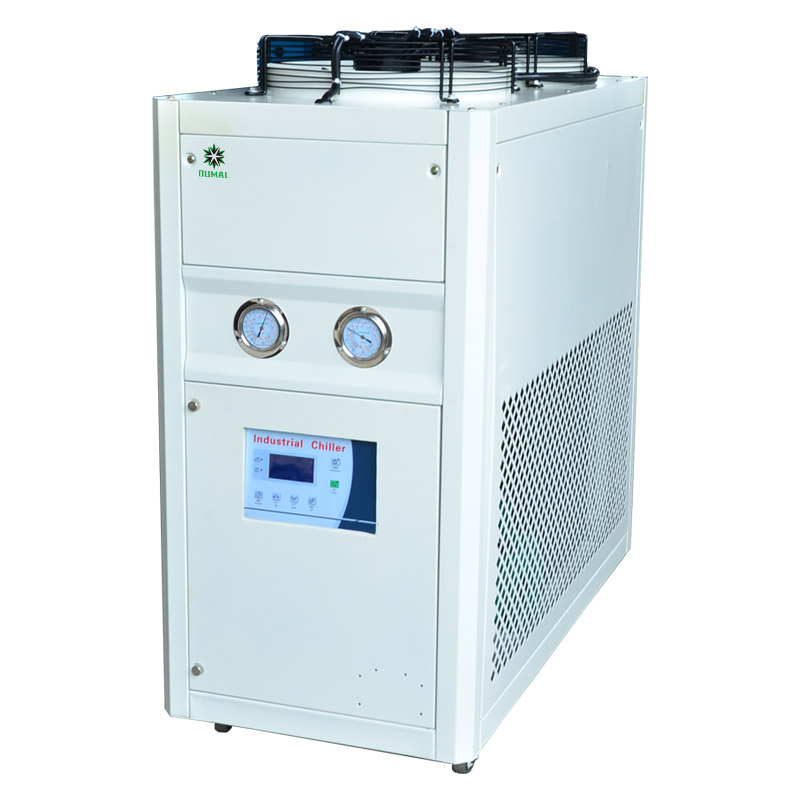
Getting the right size for portable air cooler units is the first step to comfortable cooling. You don’t want to guess and end up sweating or wasting money. Start by measuring your room’s square footage. Multiply the length by the width. Next, check your ceiling height and insulation quality. These factors change how much cooling you need.
A simple formula helps you estimate BTU needs:
Room Area (sq. ft.) × 20 to 25 = Required BTUs
If your room has poor insulation or gets lots of sunlight, you’ll need more cooling power. More people or heat-generating equipment also raise the BTU requirement. Here’s a handy table to guide you:
|
Square Footage |
Recommended Insulation |
Moderate Insulation |
Poor Insulation |
|---|---|---|---|
|
Up to 200 |
4,000 BTU |
6,000 BTU |
9,000 BTU |
|
Up to 400 |
8,000 BTU |
12,000 BTU |
18,000 BTU |
|
Up to 600 |
12,000 BTU |
18,000 BTU |
27,000 BTU |
|
Up to 800 |
16,000 BTU |
24,000 BTU |
36,000 BTU |
|
Up to 1000 |
20,000 BTU |
30,000 BTU |
45,000 BTU |
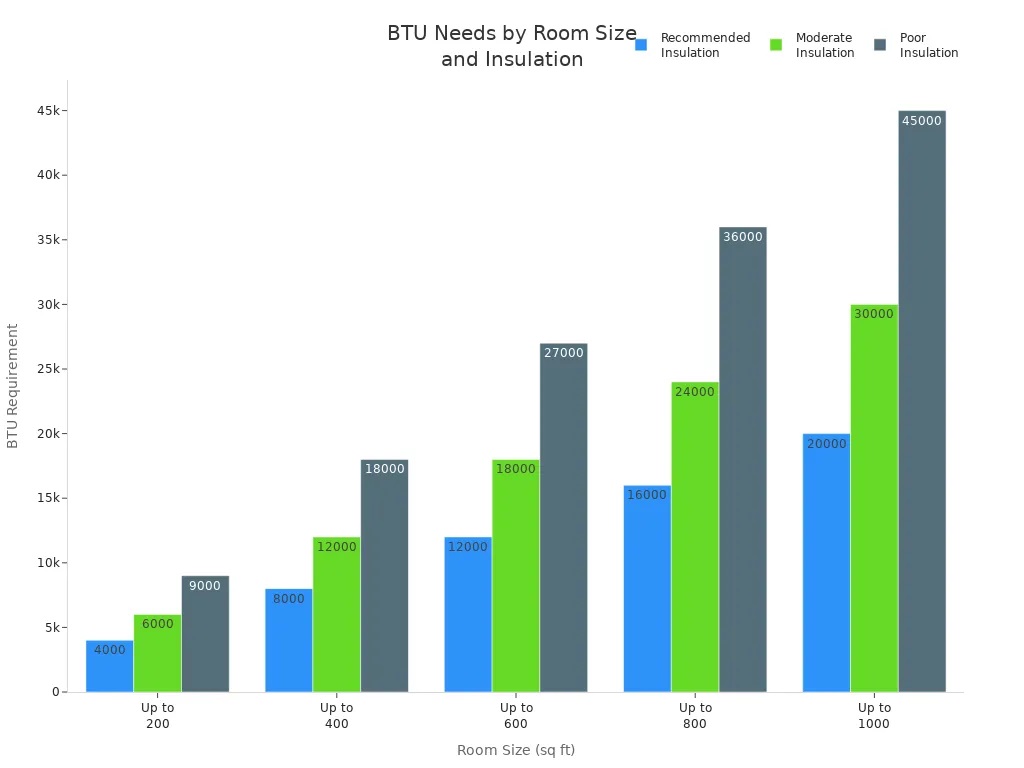
Tip: Always consider sunlight, number of people, and ceiling height when sizing portable air cooler units.
You might think picking portable air cooler units is all about room size, but that’s not the whole story. Many buyers make mistakes that lead to poor cooling or wasted energy. Here are the most common errors:
Choosing by room size only—airflow and ventilation matter more.
Ignoring humidity levels—climate affects cooling efficiency.
Poor ventilation planning—without proper air exchange, performance drops.
Undersizing equipment—trying to save money often leads to discomfort.
Expecting air conditioner performance—evaporative cooling has limits.
Ignoring maintenance requirements—neglecting care reduces lifespan.
If you pick a portable air chiller that’s too small, you’ll get weak airflow and poor comfort. Oversized portable air cooler units cost more to run and make more noise. The right size boosts energy efficiency and keeps you comfortable.
Note: Avoid sizing mistakes by considering all factors, not just square footage. Portable air cooler units work best when you match their size to your unique space and needs.
When you bring home a portable air chiller, you want installation to go smoothly. Most units don’t need permanent changes, but you should check a few things before you set up. If your landlord already has a heat pump, you might not be allowed to use portable devices. Always follow building codes and safety guidelines. Make sure the unit doesn’t damage your property or overload your electrical supply. Drainage matters, too. You don’t want water pooling on your floor.
|
Requirement |
Description |
|---|---|
|
Existing Systems |
Landlords may restrict portable devices if a heat pump is installed. |
|
Legal Compliance |
Installation must follow building codes and laws. |
|
Safety Guidelines |
Always stick to manufacturer’s instructions. |
|
Property Damage |
Avoid causing damage or making your space unlivable. |
|
Electrical Supply |
Don’t exceed your home’s electrical limits. |
|
Drainage |
Make sure water drains properly. |
|
Notice for Install |
Give notice for window units; not needed for floor units. |
|
Inspection |
Landlords may inspect window-mounted units after installation. |
Maintenance keeps your unit running strong. You should check operating temperatures and listen for odd noises every day. Inspect electrical connections and review alarm logs weekly. Once a month, look at pump seals. Every quarter, check safety interlocks and heat exchanger performance. Once a year, schedule a full system inspection and refrigeration circuit check.
You want the best cooling for your money. Prices for portable air chillers range from mid four-figure amounts to higher-end industrial pricing. The cost depends on BTU capacity, voltage, and extra features. If you have energy cost sensitivity, look for models with high efficiency ratings and programmable timers. These features help you save money over time.
Prices vary by cooling power and features.
High efficiency units cost more upfront but save on bills.
Extra features like timers and remotes add value.
A good warranty gives you peace of mind. Leading brands offer up to five years of coverage on electrical parts. Some even provide a limited lifetime warranty on the housing. These warranties cover defects in materials or workmanship, but not misuse or normal wear.
|
Warranty Type |
Duration |
Coverage Details |
|---|---|---|
|
Portacool Protect™ |
Up to 5 years on electrical |
Comprehensive coverage for durability and peace of mind. |
|
Limited Lifetime Warranty |
Lifetime on housing |
Covers defects in material or workmanship, not misuse or ordinary wear. |
If you want reliable support, choose a brand with strong warranty terms and responsive customer service. You’ll feel confident knowing your portable air chiller is protected.
Ready to pick your portable air chiller? Use this checklist to make sure you cover all the bases. You want a unit that fits your space, works well in your climate, and gives you the features you need. Let’s walk through the steps:
Check Your Local Humidity
Look up your average summer humidity. If it stays above 60%, skip evaporative coolers. They just won’t work well in humid air. Go for a portable air conditioner instead.
Measure Your Space
Grab a tape measure and find the length and width of your room. Multiply them to get the square footage. If your space is under 150 square feet, a compact unit will do the job. For bigger rooms, look for higher CFM or BTU ratings.
Review the Motor Type
Check the product specs for the motor. If you don’t see “BLDC” (Brushless DC Motor), you’re probably looking at a standard motor. BLDC motors run quieter and last longer. They also use less energy.
Confirm Pad Serviceability
If you’re considering an evaporative cooler, make sure you can find replacement pads. Search online or ask the seller. Easy-to-replace pads mean less hassle and better performance over time.
Be Wary of Cooling Area Claims
Manufacturers often exaggerate coverage. Don’t trust the “cools up to X sq ft” label without checking reviews or real-world feedback. Focus on BTU, CFM, and your own room measurements.
Tip: Always read user reviews before you buy. Real experiences can reveal issues you won’t find in the specs.
Note: If you want a unit that’s easy to move, look for wheels and a lightweight design. Extra features like timers and remotes add convenience.
Use this checklist to compare your top choices. You’ll feel confident knowing you’ve covered the essentials. Happy cooling!
You’ve got all the tools to pick the perfect portable air chiller. Start by figuring out your cooling needs. Compare the different types and check out the features that matter most to you. Make sure you size your unit right and think about installation, cost, and support. Use the checklist above for a smooth buying process. The right air chiller will keep you cool and comfortable all season long.
You should clean your air chiller every two weeks during heavy use. Wipe down the exterior, empty the water tank, and rinse or replace filters. Regular cleaning keeps your unit running smoothly and helps you breathe cleaner air.
Evaporative coolers work best in dry climates. If you live in a humid area, you’ll get better results with a portable air conditioner. High humidity reduces the cooling effect of air coolers.
Measure your room’s square footage. For most bedrooms under 200 square feet, a unit with 4,000–6,000 BTUs or up to 1,000 CFM works well. Always check the product’s recommended coverage area before you buy.
Most portable air coolers use less electricity than traditional air conditioners. You can save even more by choosing an energy-efficient model and using timer features. Look for the EER rating to compare energy use.
Yes, you can add ice to many portable air coolers. Ice helps lower the air temperature for a short time. Check your unit’s manual to see if it supports ice use.



Friendly Links :
www.dyyseo.com en
en es
es